

Warsaw was the epicenter of the quantum revolution in June 2025. The Perspektywy Women in Tech Summit - the biggest European event for women in science and technology - included a special path named Quantum Path, showcasing leading institutions and up-and-coming talent from across the globe, as well as technologies that will shape the future.
At the Summit, attendees had the chance to get up close and personal with the full-scale model of IBM Quantum System Two – the world’s first modular, utility-scale quantum computer. Its very presence was a physical look at the building that will support the next generation of computing. More than a theoretical shot in the dark, it was a testament to Europe’s increasing willingness to invest in quantum innovation – and an indication that Poland is ready to take an active role in shaping this burgeoning technological frontier.
A View from the Top: Quantum as a National Strategy
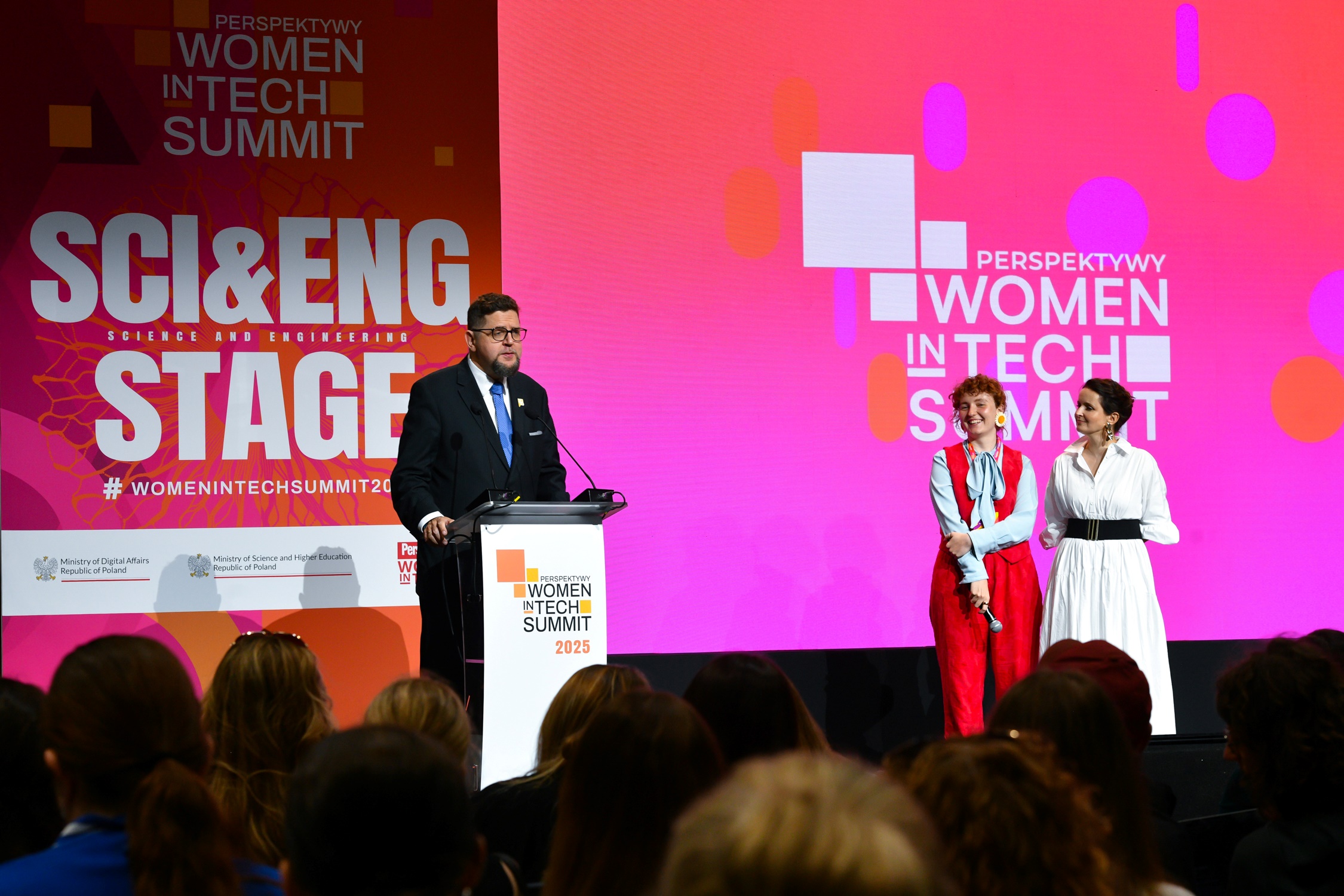
The programme began with an introduction by Pamela Krzypkowska, Director of Research and Innovation at the Ministry of Digital Affairs, and Dr. Bianka Siwińska, President of the Perspektywy Education Foundation and member of the Ministry’s Digitalisation Council. Krzypkowska stressed that 2025, the International Year of Quantum Science and Technology, should be a trigger not only for further research, but should also trigger a national strategy.” She framed quantum not as pure science but as a vital infrastructure sector — linked to sovereignty, innovation, and economic security. “Quantum technologies should be developed for and with society,” Siwińska argued. “We cannot build the future of computing,” she said, “without women, without educators, without a social contract.”
The Door to the Quantum Age
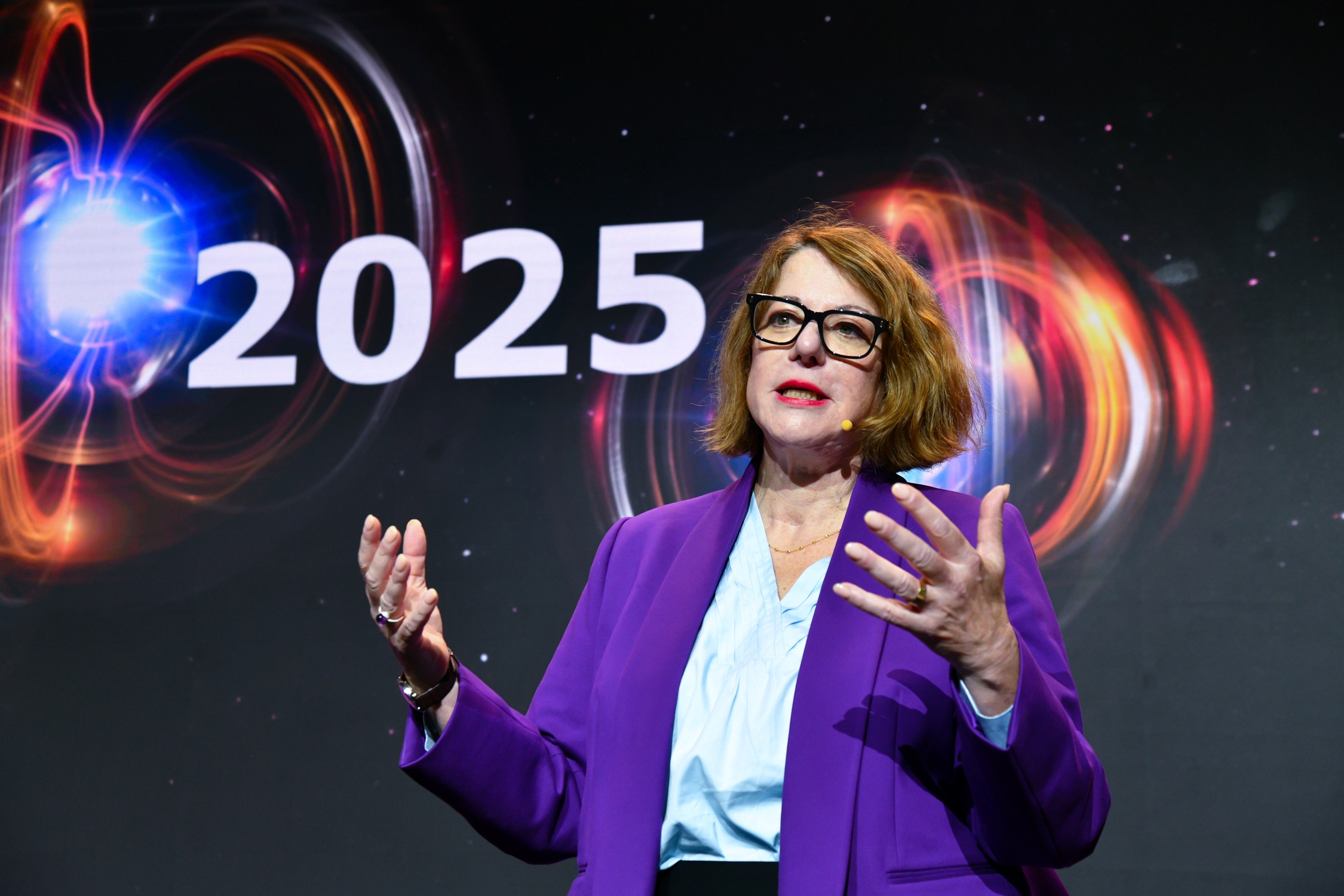
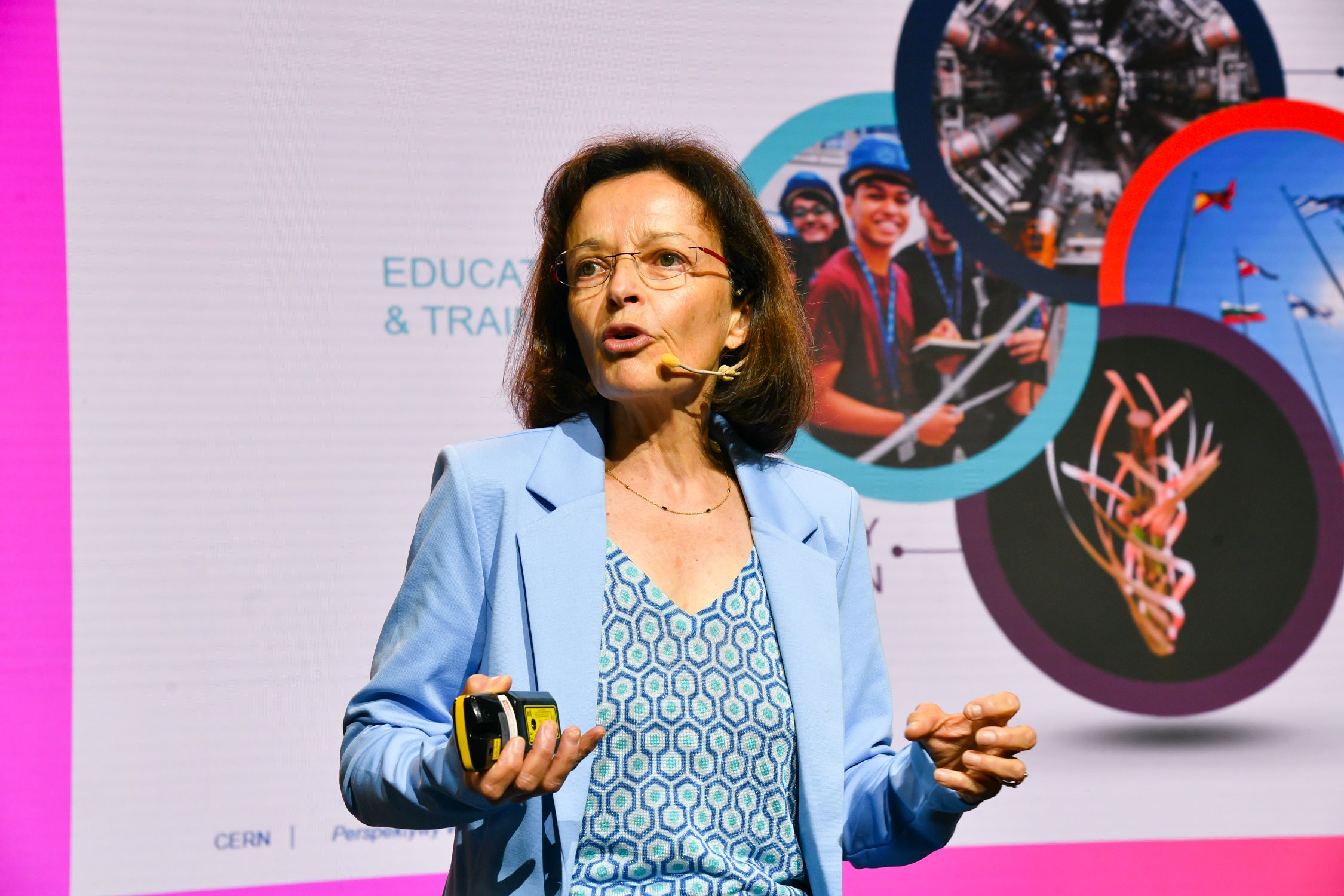
Quantum Path was launched by Alessandra Jabłonowska, Quantum Ambassador for Girls in Quantum, and Denise Ruffner as an established global figure in building quantum ecosystems. They laid it out: the structure of today, from the theoretical to infrastructure showcases, through career development, education and national innovation strategies. This scientific odyssey kicked off with a keynote by Malika Meddahi, Deputy Head of the Accelerators and Technology Sector at CERN. In her presentation, "Accelerating Science: A Journey Toward the Big Bang," she explained how sophisticated quantum technologies and particle accelerators enable scientists to reproduce the most primitive states of the universe - and why international cooperation is crucial to continue discovery. This was in turn followed by “What Produces Quantum? An Introduction to the Global Quantum Ecosystem,” in which Denise Ruffner explored the complex landscape of institutions, start-ups, governments and funders aiming to shape the quantum era. Her point is that quantum progress demands collaborative design.
Behind the Tech: Hardware, Algorithms & Security
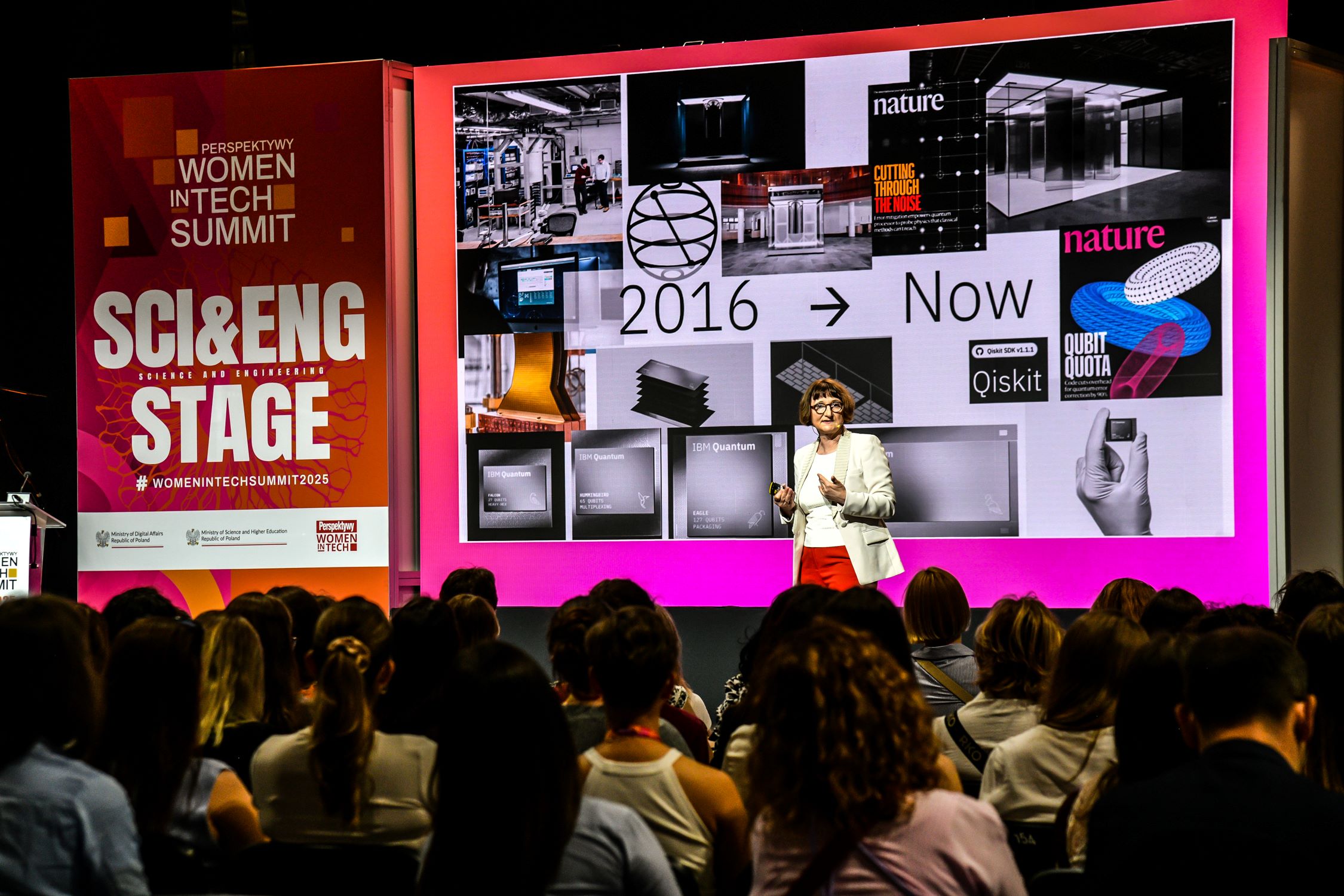
Next, Dr. Heike Riel, IBM Fellow and Head of IBM Research Quantum Europe, joined the stage to provide “Quantum Computing 101” – a straightforward, focused and compelling overview of quantum computing hardware, software, and new applications. For many in the audience, this was the theoretical touch point that anchored the day. Next, quantum cybersecurity. The other lecture discussed “Quantum Cryptography – Why It Is So Important?” and was given by Anna Beata Kalisz Hedegaard, CEO at Quantum Security Defense. She explained how quantum computers will eventually be able to break current encryption standards — and why quantum-safe communication systems must be built today to help protect global networks and data systems.
The Truth About Careers and the Diversity Push
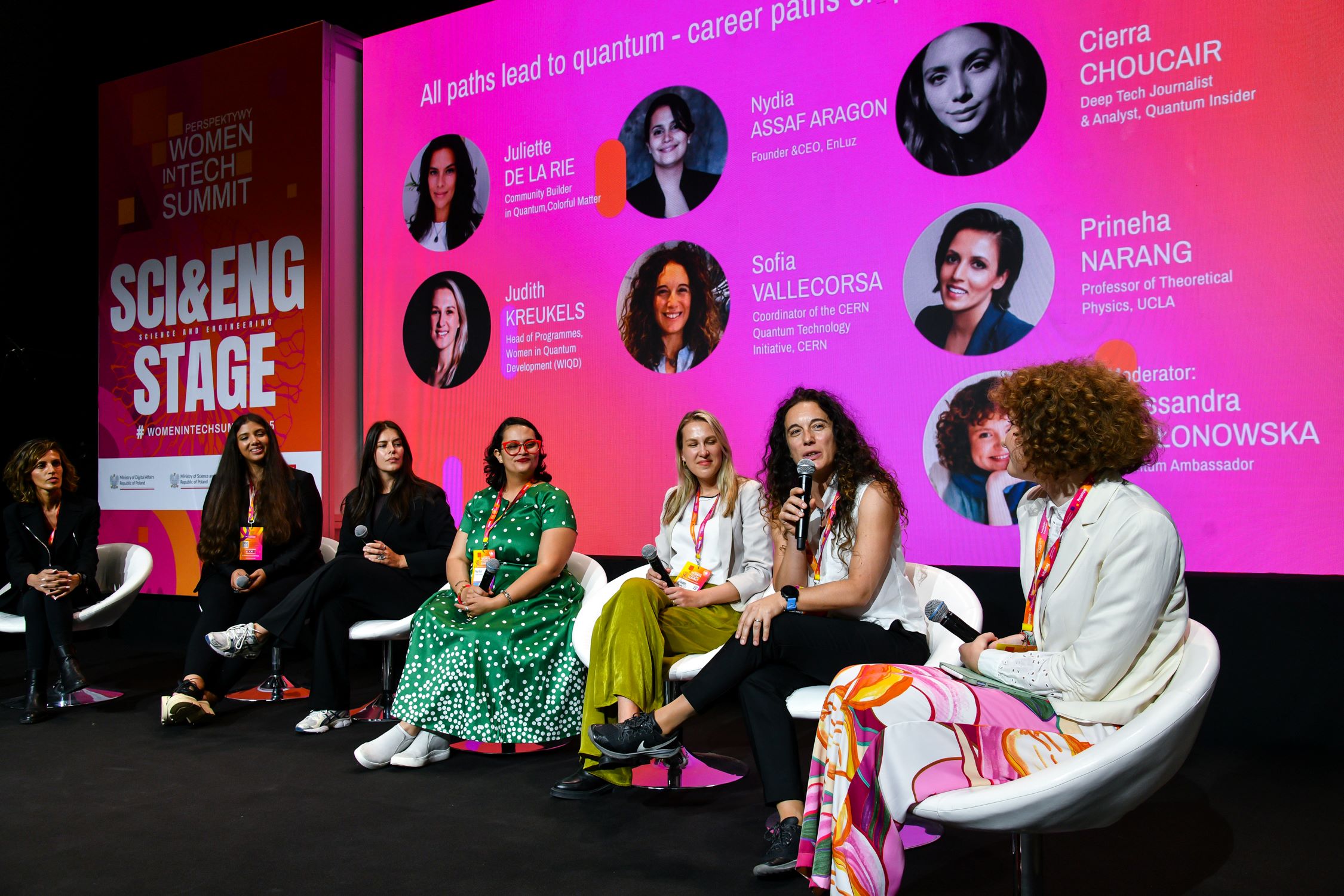
One highlight was “All Paths Lead to Quantum”— a high energy, audience-interactive presentation on women whose career paths cover all sectors of the quantum career landscape. The panel featured: Nydia Assaf Aragon, Founder & CEO, EnLuz; Cierra Choucair, Strategic Content Director, Quantum Insider; Juliette de la Rie, Community Builder, Colorful Matter; Judith Kreukels, Head of Programmes, Women in Quantum Development; Prof. Prineha Narang, Professor of Physical Sciences and ECE, UCLA; Dr. Sofia Vallecorsa, Coordinator, CERN Quantum Technology Initiative. Hosted by Alessandra Jabłonowska, this session also subverted the idea that quantum is for physicists only. These women were from journalism, business, science, and academia, and their tales of success showed how wide-ranging and interdisciplinary the contributions of the quantum workforce.
Quantum at Scale: The Journey from Scientific Curiosity to Real-World Applications
This was followed by an individual talk, by Prof. Prineha Narang: ‘Going the Distance in Quantum Technologies - Scaling Hybrid Quantum Systems’. From Harvard, Caltech, and now U.C.L.A., Dr. Narang chronicled the technological hurdles and opportunities for constructing quantum photonic systems, simulating materials, and realizing cross-platform computation. Her lab’s accomplishments — which have earned a number of international awards — represent the tip of the spear of applied quantum science.
The Women Who Made Quantum at CERN
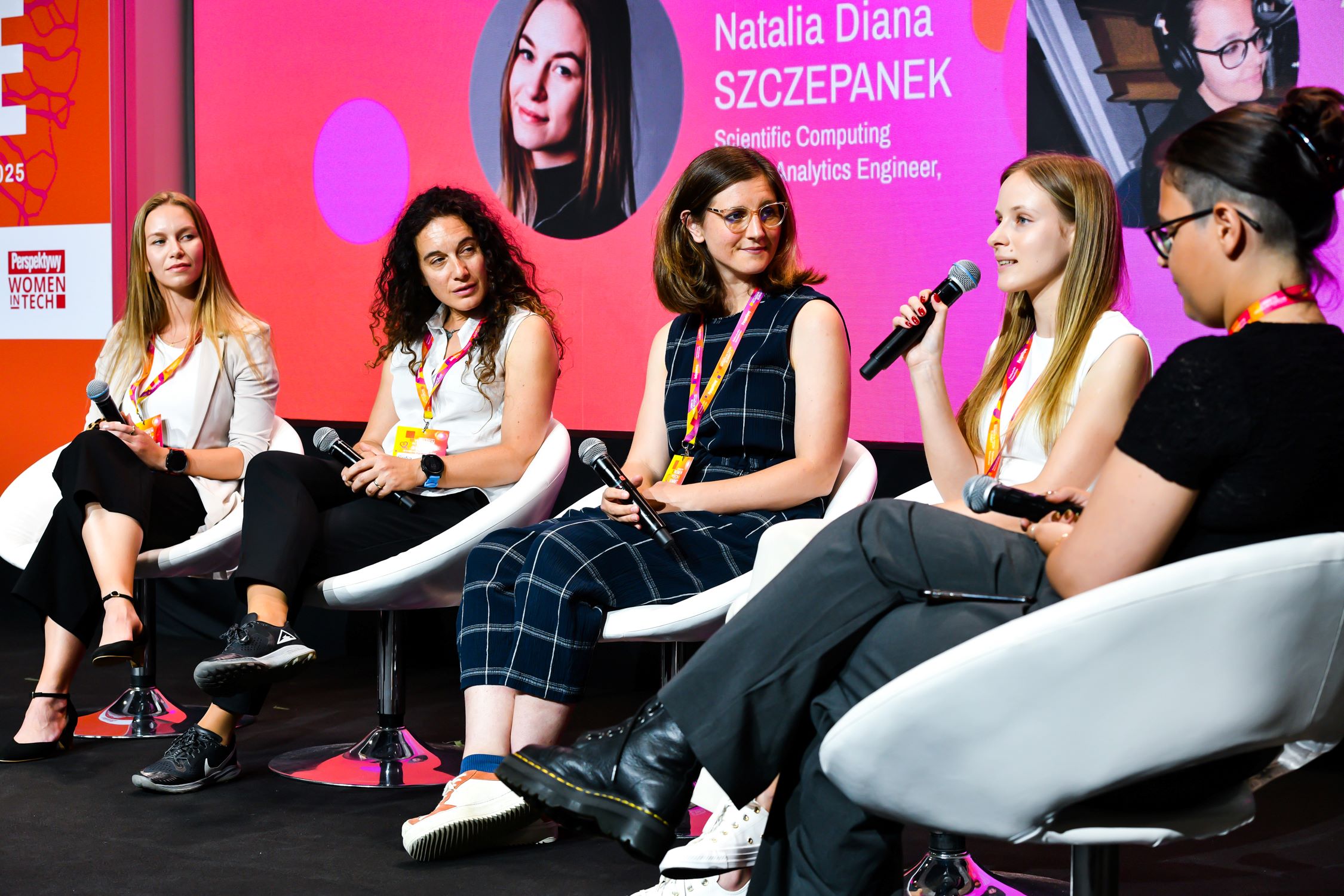
The panel of “IT @ CERN - Meet the Women Who Make IT Happen” provided rare visibility into the human infrastructure behind the world’s highest-energy physics research. The participants were: Weronika Król, Data & Reporting Specialist Hannah Short, Identity and Access Management Engineer, Natalia Diana Szczepanek, Scientific Computing & Data Analytics Engineer, Dr. Sofia Vallecorsa, CERN Quantum Technology Coordinator. Chaired by Alex Epshtein, Editorial Assistant at the CERN. Courier, the panel was an opportunity to hear women who are shaping the security, computing and analytics infrastructure that underpins the performance of the Large Hadron Collider and constructing the quantum journey for CERN.
New Polish Quantum Frontiers: Emerging Force in Europe
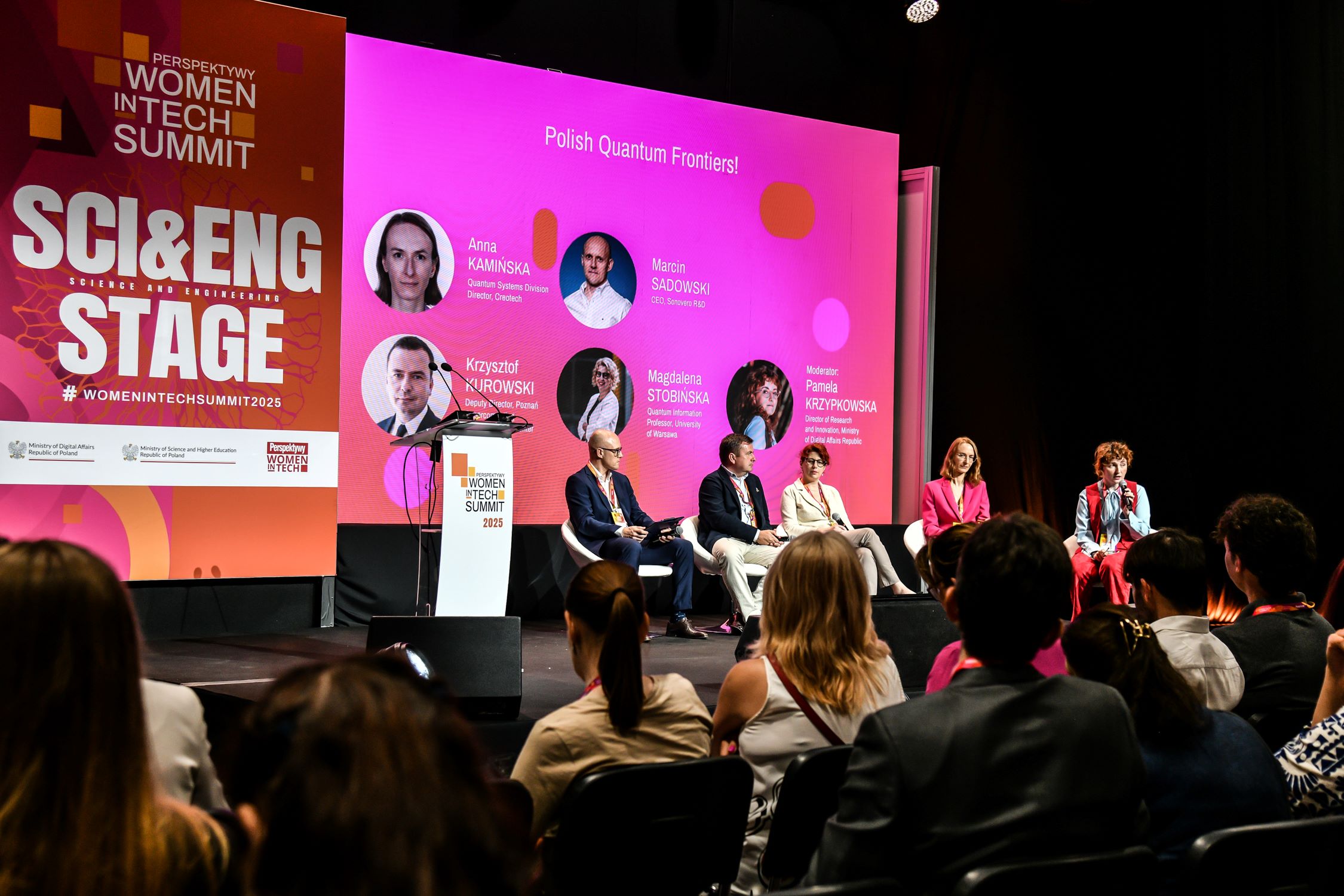
One of the most widely awaited sessions of the day was titled: “Polish Quantum Frontiers”, curated and also moderated by Pamela Krzypkowska from the Ministry of Digital Affairs. It demonstrated the increasing depth and breadth of Poland’s participation in the quantum field. Presentations were given by: Anna Kamińska, Director of Quantum Systems Division, Creotech Instruments – on the creation of the first Polish quantum computing platform, Krzysztof Kurowski, Deputy Director, Poznań Supercomputing and Networking Center – on European cooperation and simulation infrastructure, Marcin Sadowski, CEO, Sonovero – on the development of photonic quantum systems and sensing technologies and Prof. Magdalena Stobińska, University of Warsaw – on the research in quantum optics, theory and education. This session made clear that Poland isn’t merely responding to the quantum revolution. It is co-constructing it from the inside.
Quantum Science Education and Outreach
The day proceeded with a future-oriented session on education and public outreach: “Quantum Education and Popularization - Courses, Hackathons and Research” with moderator Alessandra Jabłonowska. Speakers have been: Nydia Assaf Aragon, EnLuz, Juliette de la Rie, Colorful Matter, Łukasz Foks, Director of AI National Skills at Microsoft, Jannes Stubemann, Co-Founder & CEO, Aqora. They explained how curriculum development, competitions, community-building and popular science can popularise quantum industries and open up a wide workforce to quantum. Quantum literacy, they stressed, should start early, and not be confined to the university.
IBM’s Map for Quantum Scaling
Dr. Anna Topol then joined the stage to provide an extensive update “Quantum Computing at IBM.” She spoke about the architecture and scalability of System Two as well as IBM’s ongoing work with academia and government, and the company’s vision for ensuring that the quantum community has equitable access to the kinds of infrastructure that will drive quantum to its full potential in the coming decade. It was all the more noteworthy conference with the IBM System Two live demonstration, which remained on the show floor throughout the day in the exhibition zone and was available for hands-on demos as well as a lively booth from SeQure, a Sonovero booth as well as IBM and others.
The Last Word: Connecting Science, Policy and Commerce
The last panel of the day was one of its most important, “Applications of Quantum Technologies – Bridging Science, Policy and Business,” moderated by Cierra Choucair. The panelists: Dr. Anna Topol, IBM, Dr. Bianka Siwińska, Perspektywy, Dr. Kathrin Spendier, XPRIZE Foundation, Dr. Sofia Vallecorsa, CERN. The discussion centered on transforming quantum science into practical value for society. Topics ranged from: how to fund models that drive real-world adoption of quantum technologies, tackling policy gaps and regulatory questions, developing talent outside of physics, and even crafting ethical frameworks before power outstrips responsibility. The panel concluded on a note of consensus: that the quantum future must be human-centered, collaborative, and purposeful.
A Revolution Made Real
Quantum Path meant business and then some. It was a directional statement.” It showed that quantum technology is now freed from theory. It’s in the lab, the market, the classroom — and now, in Warsaw. From IBM and CERN, through startups and universities, from world leaders to Polish leaders, from students to ministers - the quantum generation arrived together. And if one thing was clear on this day it is that the future of quantum is not a question of “if.” But who will build it is another matter. Warsaw has given a firm and unambiguous response to that — and it’s not ‘yes.’ The Ministry of Digital Affairs was a great protagonist of Quantum Path. It wasn’t merely present — it was ahead. The Ministry made sure it was very clear: the direction of quantum development in Europe will be designed by Poland, not just accepted as received wisdom, all done with moderation, institutional engagement and strategic positions.